
Filed Dispatches

A working index of street-level pieces, from four-hour walks to month-long stays, plus the short dispatches, transit notes, and interviews that fill the space between them.

Reaching the desk

Pitches, corrections, and reader notes all land in the same editorial channel. There is no ticket system behind it, no account to create, and no queue number. A person reads what arrives and sorts it by hand.

Pitch a piece

Send a 200-word outline and two links to published clips. Tell us the route, the timing, and what you already know does not work. Half-formed ideas are fine if the reporting angle is clear.

info@davidonthego.com

Corrections and updates

transit details change, stalls close, a walking route gets blocked by construction. If a filed dispatch no longer matches the street, write in with the piece title and what shifted.

info@davidonthego.com

By phone

For time-sensitive notes about a route or a listing, the desk can be reached by phone during the working week.

+54 9 11 1251 1044

By post

Written notes and printed clips can be mailed to the editorial address below.

Asentamiento 25 de Mayo, Municipio de San Salvador de Jujuy, Jujuy, Y4616XAQ, Argentina

Before writing in, the contributor guidelines and filing notes are collected here: Resources Contact

Filed by

The people who walk the route before it runs in print

Every dispatch on this page carries a byline, and the byline belongs to whoever actually did the walking. Contributors file their own practical details, distances, opening hours and the small failures that make a route better the next time around. That is the whole editorial method: report from the pavement, not from the departure lounge.

The archive here holds short dispatches, neighborhood walks, transit tips, packing notes and interviews with people who live where readers are passing through. Some pieces come from a four-hour connection, others from a month of staying put. The range is deliberate. A layover and a long stay ask different questions of a city, and both belong in the same index.

Pitches are open. Send a 200-word outline and two links to published clips, and the piece gets read by the same editors who commission the walks.

How we file, and what these posts do not claim

The archive on this page is a working record, not a ranking and not a promise. A dispatch describes what one contributor saw on one route, on the days they walked it. practical details, opening hours, walking distances and transit details are the numbers that were true when the piece was filed. They move. Treat every figure here as a starting point for your own check, not as a standing guarantee.

Timing is not a schedule

When a piece says a layover route fits, it means it fit for that writer, at that hour, with that queue at security. Airline schedules, immigration lines and platform changes are outside our control. Build your own buffer before you leave the terminal.

One stall is one stall

A week at the same corner tells you about that corner. It does not describe a neighborhood, a city or a country. Where a piece draws a wider conclusion, it is labeled as the writer's reading, not as a finding.

Packing lists are personal

The long-stay list reflects one traveler's habits, body and laundry situation. Substitute freely. Anything medical, from prescriptions to insect protection, is your call and your doctor's, not ours.

Two editions, one text

The Spanish edition carries the same pieces with local notes added. Where the two versions differ in a detail, the English filing is the original and the Spanish page is the annotated one.

What we correct, and how

If a transit detail, a closing time or a route has changed since filing, write to info@davidonthego.com with the post title and the line in question. Corrections are folded into the piece rather than posted as a separate note. Pitches follow a different path: a 200-word outline and two links to published clips, sent to the same address. We read both, but we do not run reader comments, and nothing on this page is a booking, a reservation or a substitute for checking an operator's own information before you travel.

Filed dispatches

Three pieces anchor this first run of the archive: a timed walk out of an airport, a packing list built for four weeks of heat, and a week spent at one food stall. Each one was reported on foot, with distances, hours and practical details written down as they happened. More dispatches, neighborhood walks and interviews with people who live where readers pass through will follow in the same format.

Busy city street with pedestrians and low buildings in warm afternoon light

Layover

A Four-Hour Layover in Mexico City, Walked End to End

Terminal 2 to the Zócalo and back, with the timing that actually works

The route starts at the Terminal 2 metro entrance and runs through the Centro Histórico on foot, with a stop at a market counter for a plate of tacos al pastor. The piece tracks real walking distances, the metro transit detail, and the buffer you need to clear security again on the way back. It also notes where the plan falls apart: weekday afternoon crowds, the long walk between platforms, and the fact that the return train is slower than the outbound one.

Read the dispatch

Open suitcase on a bed with folded clothes and travel items arranged nearby

Packing

Packing for a Slow Month in the Dominican Republic

What earns space in a carry-on when the trip is four weeks, not four days

Four weeks in the Caribbean means a different packing logic than a weekend: fewer outfits, more room for the items that are hard to replace locally. The list covers breathable fabrics, a second pair of walking sandals, a small drying line, and the medications that are worth carrying from home. It also flags what to leave behind, including the heavy layers and the electronics that will sit unused in a bag for a month.

Read the dispatch
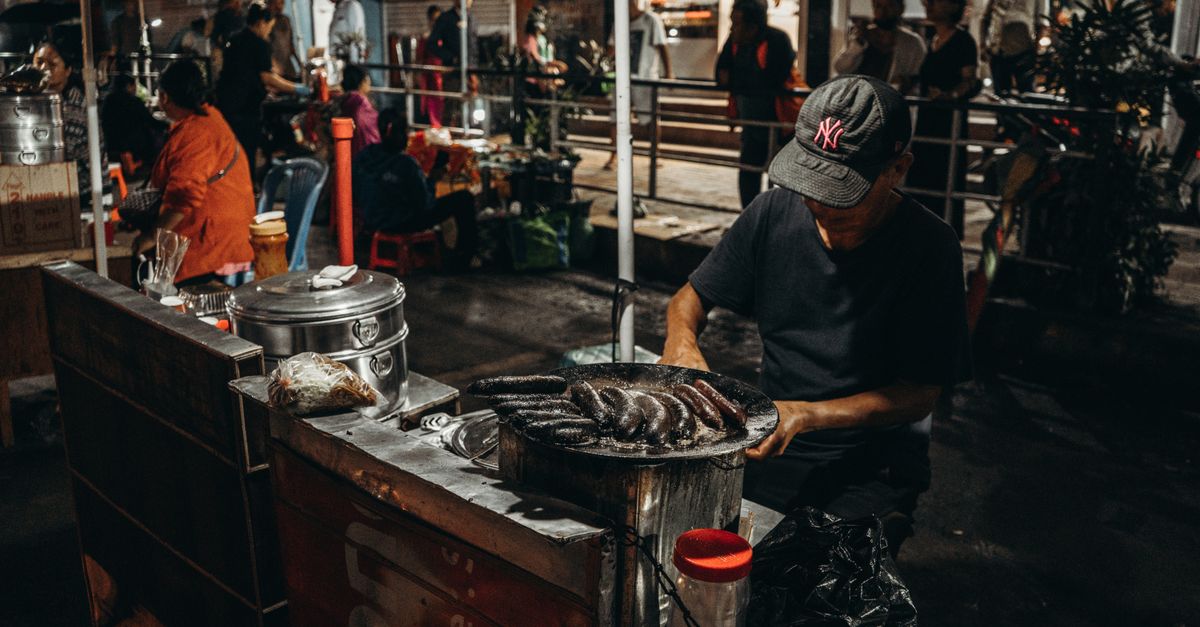
Street food stall with a vendor cooking and customers waiting nearby

Food stalls

Reading a City by Its Food Stalls

Notes from a week of eating at the same corner, twice a day

Returning to the same food stall for a week turns a meal into a record of how a neighborhood moves. The piece follows the morning rush, the quiet stretch after lunch, and the evening crowd that shows up when offices close. It looks at pricing, portion sizes, and the small signals that tell a visitor whether a stall is a local habit or a tourist stop. The reporting stays close to what is observable from the counter, without pretending to explain the whole city.

Read the dispatch
Cookie settings

This notice stores your choice in the browser so it does not keep reappearing. You can accept, reject, or close the notice.